.webp)
Micro RGB vs. OLED: Understand Next-Gen TV Tech
Tue May 19 2026
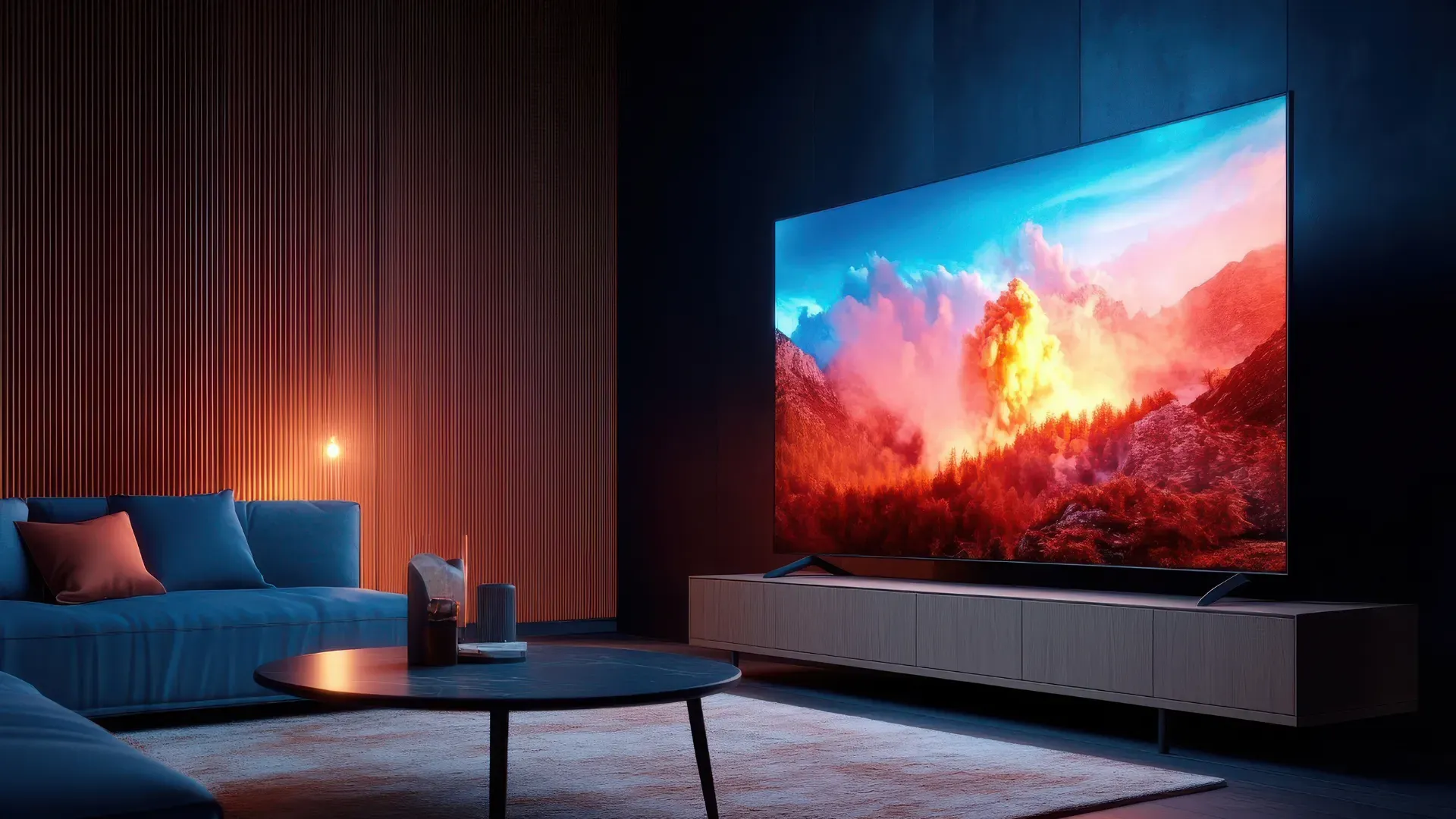
Micro RGB vs. OLED: Understand Next-Gen TV Tech
TV technology continues to evolve rapidly, and if you’re exploring high-end options, you will certainly come across two standout display types: OLED and newer Micro RGB technology. Both deliver exceptional picture quality, but they do so in very different ways. And understanding how each works can help you choose the right display for your home and viewing habits.
What Is Micro RGB?
Micro RGB—often associated with Micro LED displays—is one of the newest advancements in television technology. It might not be as drastic a change as 1080p to 4K or even LCD to OLED, but it’s still worth understanding what it is, how it works, and why it’s such a big deal. Instead of using a traditional backlight, these displays use microscopic red, green, and blue (get it? RGB?) LEDs that emit their own light.
Yes, this is different than old RGB displays that used filtered white light behind the red, green, and blue diodes. In short, you’re getting better color volume and a higher peak brightness today.
Each pixel is made up of individual RGB light sources, allowing for:
- Extremely high brightness levels
- Precise color accuracy
- Long lifespan with minimal risk of image retention
- Excellent performance in bright environments
Because of the way it’s built, Micro RGB combines the self-emissive benefits of OLED with even higher brightness capabilities.
What Is OLED?
OLED (Organic Light Emitting Diode) is a well-established premium display technology. Like Micro RGB, it’s self-emissive, meaning each pixel produces its own light and can turn off completely. This results in:
- Perfect black levels
- Outstanding contrast and depth
- Smooth, natural color reproduction
- Wide viewing angles
OLED is widely known for delivering a cinematic, immersive experience—especially in controlled lighting environments.
Key Differences Between Micro RGB and OLED
While both technologies are top tier, there are a few important distinctions:
Brightness
- Micro RGB is exceptionally bright, ideal for rooms with lots of natural light like a main-floor living room.
- OLED displays are very bright but are generally better suited for moderate to low-light environments like an entertainment room TV or a room with blackout shades.
Black Levels & Contrast
- Both technologies offer true blacks since pixels can turn off individually, however OLED is often praised for its near-perfect contrast in darker settings
Longevity & Image Retention
- Micro RGB displays use no organic materials, so there’s little to no risk of burn-in
- OLED displays have improved significantly over the years but still experience a certain level of burn in when used for static content
Availability & Cost
- Micro RGB is a newer and, at present, more expensive technology with manufacturing capabilities still in the process of scaling
- OLED has been around a bit longer, so it is more widely available and has seen a significant reduction in cost over the years
Which One Is Right for Your Home?
The best choice depends on how you use your space. Micro RGB excels in high ambient light environments, so that’d be the best bet if you plan to place the display in a bright living room or open-concept space. If you’re working with a dedicated media room or plan to mostly watch at night, you can certainly go with an OLED. In either case, both display types offer sleek, modern aesthetics that will look great in just about any setting.
Why Brad’s Home Entertainment?
At this level of technology, the decision goes beyond specs. Room lighting, seating distance, wall placement, and how you plan to use the space all play a critical role in performance. Brad’s helps homeowners evaluate these factors and select the right display for their environment—ensuring your investment delivers the experience you expect.
Never settle for less.