.webp)
Distributed Audio Brings Music to Every Room
Tue May 19 2026
Distributed Audio Brings Music to Every Room
Music has the power to completely transform how a home feels. Whether you’re starting your day in the kitchen, relaxing in the living room, or entertaining guests on the patio, the right audio experience can follow you seamlessly from space to space. That’s exactly what distributed audio is designed to do.
What Is Distributed Audio?
Distributed audio allows you to play music throughout multiple areas of your home from a single, centralized system. Instead of relying on individual speakers in each room, everything is connected and controlled together, creating a more cohesive and flexible listening experience.
With the right setup, your music doesn’t stay in one place. It moves with you, maintaining consistent quality and control wherever you go.
How It Works
A distributed audio system places speakers in key areas of your home, often in-ceiling or in-wall for a clean, unobtrusive look. Those speakers are then connected through a central hub or network. From there, you can control what’s playing and where, all from a single interface like your phone, tablet, or a dedicated control panel.
This gives you the flexibility to fill your entire home with the same playlist, keep different rooms on separate audio sources, or group spaces together. For those who love to entertain, distributed audio makes a noticeable difference. You can create a consistent ambiance across multiple spaces without juggling multiple devices or systems.
Most important, the experience is designed to feel effortless, whether you’re managing one room or the whole house. One of the biggest advantages of distributed audio is how natural it feels to use. There’s no need to stop and restart music as you move from room to room—it simply continues with you. Control is equally simple, with intuitive interfaces that make adjusting volume or switching music quick and easy.
There’s also a design benefit. Because speakers can be built into walls or ceilings, they don’t take up space or disrupt the look of a room. The result is high-quality sound that blends into the background visually, while still enhancing the overall atmosphere of your home.
Wireless vs. Wired Solutions
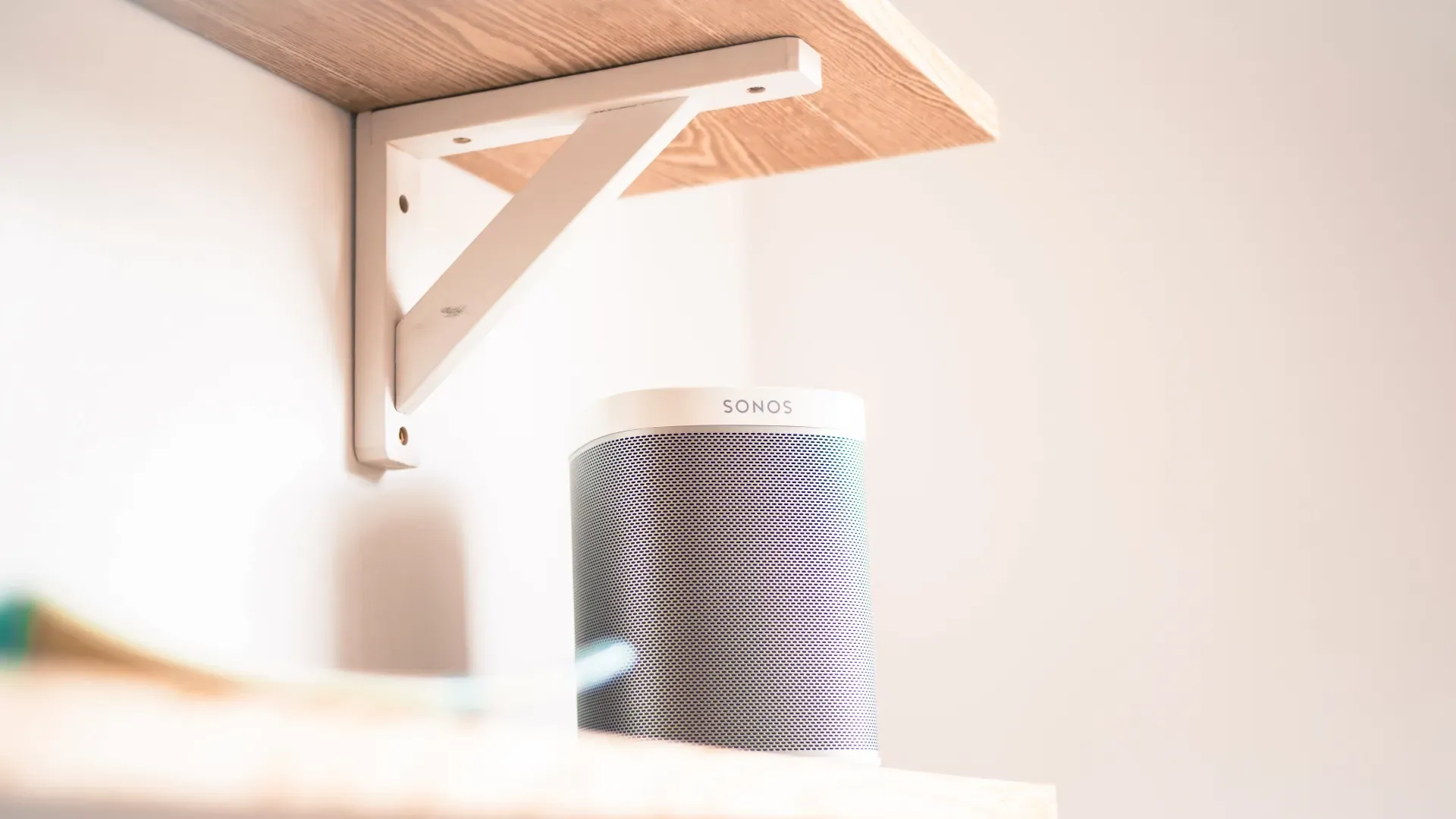
When planning a system, one of the key decisions is whether to go wireless, wired, or a combination of both. Wireless systems, like Sonos, are appealing because they’re flexible and easier to install, especially in existing homes. They’re a great option for getting started quickly or adding audio to a few key areas.
Wired systems, on the other hand, tend to offer more consistent performance and can deliver higher overall sound quality, particularly in larger homes or outdoor spaces. And, believe it or not, they’re also fairly easy to scale if you plan to expand your system over time.
In many cases, the best solution is a hybrid approach that uses a combination of wired and wireless speakers in different areas of the home where each type makes the most sense.
Why Brad’s Home Entertainment?
Designing a distributed audio system isn’t just about placing speakers—it’s about understanding how you live in your home. Brad’s takes that into account, creating systems that are tailored to your layout, your listening preferences, and your long-term needs.
The end result is a system that sounds great, blends seamlessly into your space, and is simple enough to use every day without thinking twice about it.
Never settle for less.